Acne: Treatment, Types, Causes, Prevention, and More
Table of Content
Acne develops when sebum — an oily substance that lubricates your hair and skin — and dead skin cells plug hair follicles. Bacteria can trigger inflammation and infection resulting in more severe acne. What is the best product for acne if you have dry skin? Coconut oil is one of the most versatile and healthy oils on earth.

It also helps reduce swelling and redness in the area, which may minimize the appearance of scarring. These occur when the skin makes too many fibroblasts as the acne spot heals, causing a raised scar. Use water-based makeup or products labeled “noncomedogenic” — this means they’re less likely to clog your pores. It makes scarring more likely, and it can also spread bacteria and excess oil. In some cases, they may suggest an oral antibiotic or hormonal birth control to help manage acne. While vegan and vegetarian diets can offer plenty of health benefits, little evidence supports them specifically for the treatment of acne.
Dry skin
Isotretinoin (Amnesteem®, Claravis®, Sotret®), an oral retinoid, is an especially effective drug used only for the most severe cases of acne. Isotretinoin shrinks the size of oil glands, which contributes to acne formation. The most common side effect is dryness, but can also cause birth defects. Some evidence suggests a possible increased risk of ulcerative colitis and depression. Because of these risks, anyone using the drug must take part in a Food and Drug Administration-approved risk management program known as iPledge.

If you’re incontinent, use special products to absorb moisture. If the infection is more severe, the doctor may prescribe an oral antibiotic, such as flucloxacillin or erythromycin . Topical antibiotics are used for bacterial infections. Topical antifungals used for intertrigo are nystatin and azole drugs, including miconazole , ketoconazole , or clotrimazole .
Aloe Vera
Aloe vera is a natural antibacterial and anti-inflammatory, meaning it may reduce the appearance of acne and prevent acne breakouts. Acne develops when pores become clogged or infected with bacteria. Acne is a common skin condition in the United States, affecting an estimated 50 million people living in the country. Certain home remedies may help improve a person’s acne pimples and sores. Home remedies for acne include gentle herbal creams and gels, essential oils, natural supplements, and lifestyle changes.
This includes oil-based lotions, moisturizers, and sunscreens. A regular skin care routine is one of the best defenses for fighting acne and dry skin. But if you have sensitive skin, you’ll need to choose your skin care products carefully.
Can treatment remove scars permanently?
Stress causes levels of the hormone androgen to increase. Androgen stimulates hair follicles and oil glands in pores, increasing the risk of acne. In a 2016 study, people who applied a gel containing purified bee venom to their face for 6 weeks saw a reduction of mild to moderate acne lesions.

Use aloe vera as your base, add purified water and 2 to 3 drops of tea tree oil before carefully applying the mixture to your face. Rinse off after about a minute and pat your face dry. Since tea tree oil is a proven antibacterial and acne-fighting ingredient, mixing it with aloe vera has the potential to produce a visible benefit. This isn’t a mixture you should leave on your face, as tea tree oil is extremely potent and acidic. Some clinical trials have shown fruit acids, like those contained in lemon juice, are effective cleansers for treating acne. However, some people may seek medical treatment for hyperpigmentation acne for cosmetic reasons.
It is best to test products that contain lactic acid on a small patch of skin before using them to treat acne scarring. In this article, learn about various ways to help reduce the appearance of acne scars and promote healthy skin. Milia cysts on the face are attributed to be caused by a deposit of keratin under the skin to form raised bumps. In baby skin, milia develop from dead skin cells that are trapped beneath the skin surface hence the formation of white bumps on the skin. These injections can help reduce inflammation and speed healing. Cortisone is usually used along with other acne treatments, particularly for acne that involves large cysts.
These often contain sodium sulfacetamide, another type of acne ingredient. Keep reading to learn more about this acne-fighting ingredient, including the types of acne it can treat and OTC products you can try at home. Effective acne treatments are available, but acne can be persistent. The pimples and bumps heal slowly, and when one begins to go away, others seem to crop up. To see best results, use fresh gel like substance directly from the aloe vera leaf than using over the counter products containing aloe vera.
They can help develop an appropriate treatment plan. Benzoyl peroxide-containing spot treatments — such as Neutrogena’s On-the-Spot Acne Treatment — help reduce inflammation while also decreasing acne bumps. A dermatologist can help determine the cause of your acne and recommend the best treatments to try for your skin.
Dry skin and acne can be a frustrating combination, especially since acne medications can worsen dryness. Look specifically for gentle facial washes that are noncomedogenic, free of dyes, fragrance-free, and hydrating for dry skin. Cleanse your skin with lukewarm water instead of hot water. Hot water may feel soothing and relaxing, but it can also dry out your skin and damage your skin’s surface.
Scar free healing mediated by the release of aloe vera and manuka honey from dextran bionanocomposite wound dressings. Treatment of atrophic facial acne scars with microneedling followed by polymethylmethacrylate-collagen gel dermal filler . Intense pulsed light treatment may be a better option for people with pale skin, according to the American Academy of Dermatology. It can help reduce the appearance and texture of raised scars.
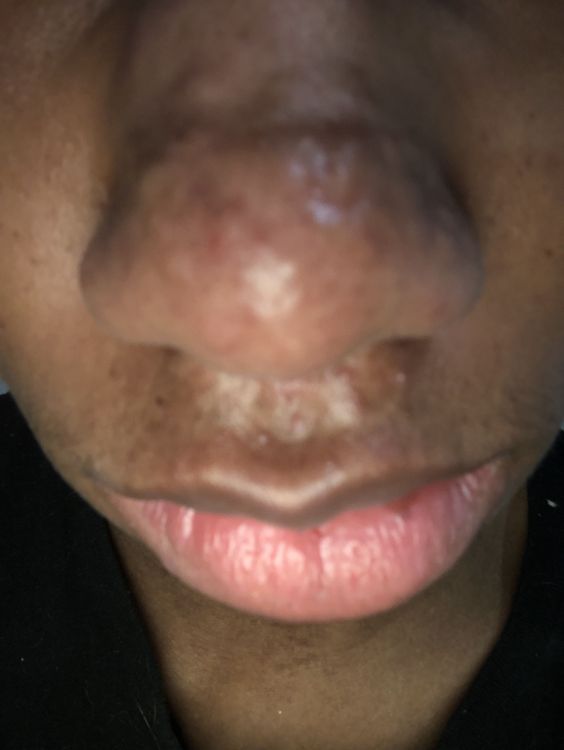
Topical creams can be used for white acnes and pimples. Effects of diet on acne and its response to treatment. A dermatologist can offer more tips and guidance on managing and preventing acne. They may also suggest hormonal birth control or oral isotretinoin, also known by the brand name Accutane. An acne breakout can take a lot longer to heal and clear, especially without treatment. Acne breakouts can also cause scarring or discoloration on your skin.


Comments
Post a Comment